
One of the most frequent errors is using a cane that's the wrong height. If it's too tall, you'll lean sideways; too short, and you'll hunch over. The correct height lets your elbow bend at a comfortable 15 to 20 degrees when you hold the cane.
Many people also hold the cane on the same side as their weak leg. That actually throws off your balance. Instead, hold it in the hand opposite the weaker leg—this mimics a natural walking pattern and reduces stress on the sore side.
Home hazards like loose rugs, clutter, or poor lighting are often overlooked. Even with a perfect cane, a slippery floor or a stray cord can cause a fall. Take a few minutes to clear pathways, secure rugs, and improve lighting in high-traffic areas.
Poor posture while walking—looking down, slumping, or taking short shuffling steps—can strain your back and make you less stable. Aim to stand tall, look ahead, and let the cane move with your opposite leg. This keeps your center of gravity aligned.
Choosing the wrong type of cane base matters more than you might think. A single-point cane is great for balance, but if you need extra support, a quad cane with four points offers more stability. Think about your typical terrain and how much weight you need to bear.
It's tempting to rush, especially if you're feeling good, but walking too fast or taking long steps increases the risk of tripping. Slow down, take shorter steps, and focus on smooth, deliberate movements. If you feel pain or discomfort while walking, don't ignore it—it's a signal that something needs to change, whether it's your technique, your cane, or your footwear.
The right tools can make a world of difference, but only if you use them correctly. By avoiding these common mistakes, you'll get the most out of your mobility aid and stay safer on your feet.
The products below are our picks for these needs. This article contains affiliate links — as an Amazon Associate we earn from qualifying purchases, at no additional cost to you.
1. Stop Back Strain With the Right Cane Fit
A cane that is too tall or too short forces you to lean, straining your back and reducing stability. To find the right height, stand with your arms relaxed at your sides. The top of the cane should align with the crease of your wrist. When holding the cane, your elbow should be slightly bent (about 15-20 degrees). Adjustable canes like the Vive Health Adjustable Cane make this easy.
Helpful resources to consider
- REHAND Walking Cane - Foldable, Adjustable, Collapsible Walking Canes for Men & Women, Heavy Duty All Terrain Tip, with Travel Bag | Walking Sticks for Seniors & Adults (Natural Black)
- HONEYBULL Walking Cane for Men & Women Foldable, Adjustable, Heavy Duty, Free Standing, All Terrain, Collapsible Walking Sticks for Seniors & Adults (Black)
Helpful products to consider (paid links)
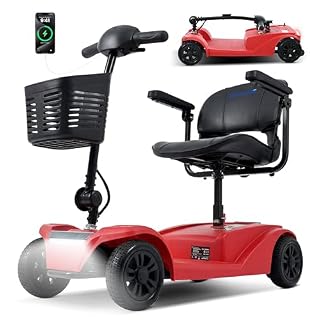
WAYCARE Mobility Scooter: Equipped with a powerful 24V 250W motor and a 12AH battery, it delivers impressive performance with a top speed of 4.97 mph and a range of up to 15 miles. With a weight limit of 300 lbs, it easily meets daily travel needs. The cleverly designed front basket is convenient for storing shopping bags and personal items, making it a safe and comfortable choice for shopping, leisure, or short trips.
View on Amazon
【4-Wheel Mobility Scooter】This versatile Mobility Scooter is designed for both indoor and outdoor use, offering exceptional ease of operation. Powered by a high-performance 300W motor, it delivers smooth and reliable performance across various road surfaces. Equipped with a 24V 12Ah deep-cycle battery, it provides a maximum range of 15 miles per charge. With a 8-15° climbing ability and 45mm ground clearance, it stands as one of the most versatile electric mobility scooters on the market.
View on Amazon2. Improve Balance by Holding the Cane Correctly
Many people instinctively hold their cane on the same side as their weak leg, which can worsen balance. The correct technique is to hold the cane in the hand opposite your weaker leg. This mimics a natural walking pattern and provides better stability. Using a cane like the Hugo Mobility Quad Cane with the proper grip technique can make a significant difference.
Helpful products to consider (paid links)

SAFELY NAVIGATE SMOOTH SURFACES: Easily maneuver over smooth indoor surfaces and rough outdoor surface with the Vive 4-Wheel Mobility Scooter—with comfort and ease. Designed to safely support up to 265 pounds, the mobility scooter and its tires were engineered for durability and safety. Its easy-grip tires are flat-free, non-marking, and are 8”. Its maximum speed is 3.7 mph, and it has a driving distance up to 12.4 miles per charge.
View on Amazon
【Long Range & Easy-to-Remove Battery】Enjoy up to 12.4 miles per charge with the HOVERFLY T4 Mobility Scooter. It’s powered by a safe 12Ah lead-acid battery, which can be quickly removed without any tools. The battery weighs just 21 lbs, making it easy to carry and recharge anywhere.
View on Amazon3. Prevent Falls by Removing Home Hazards
Clutter, loose rugs, poor lighting, and cords across walkways are common trip hazards that can lead to falls. Take a walk through your home and remove or secure anything that could cause a fall. Use non-slip mats in the bathroom, install night lights in hallways, and keep pathways clear. Products like the Stander Security Pole can add extra support in key areas.
Helpful products to consider (paid links)
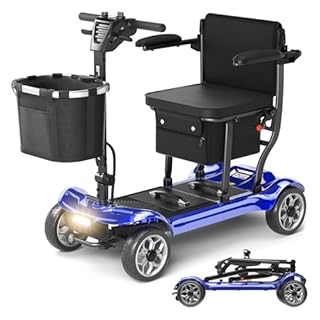
Upgraded Lightweight: This upgraded mobility scooters features 24V 12AH removable lithium battery weighing just 5 lbs—72% lighter than traditional lead-acid systems and suitable to board on flight. An extra battery slot (spare battery sold separately) extends outdoor range. The newly designed aluminum alloy frame is 40% lighter than steel models, bringing the total weight to only 43 lbs, light weight and durable
View on Amazon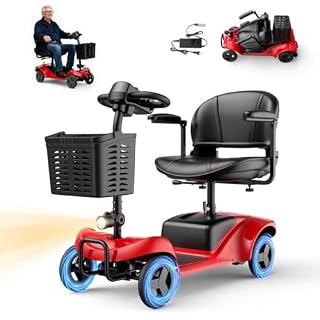
【4-Wheel Mobility Scooter】This versatile Mobility Scooter is designed for both indoor and outdoor use, offering exceptional ease of operation. Powered by a high-performance 300W motor, it delivers smooth and reliable performance across various road surfaces. Equipped with a 24V 12Ah deep-cycle battery, it provides a maximum range of 15 miles per charge. With a 8-15° climbing ability and 45mm ground clearance, it stands as one of the most versatile electric mobility scooters on the market.
View on Amazon4. Walk With Confidence Using Proper Posture
Looking down at your feet or hunching forward throws off your center of gravity and increases fall risk. Practice walking with your head up, shoulders back, and eyes looking ahead, not down. A properly fitted mobility aid like the Drive Medical Adjustable Cane will help you maintain this upright posture.
Helpful products to consider (paid links)

SAFELY NAVIGATE SMOOTH SURFACES: Easily maneuver over smooth indoor surfaces and rough outdoor surface with the Vive 4-Wheel Mobility Scooter—with comfort and ease. Designed to safely support up to 265 pounds, the mobility scooter and its tires were engineered for durability and safety. Its easy-grip tires are flat-free, non-marking, and are 8”. Its maximum speed is 3.7 mph, and it has a driving distance up to 12.4 miles per charge.
View on Amazon
【4-Wheel Mobility Scooter】This versatile Mobility Scooter is designed for both indoor and outdoor use, offering exceptional ease of operation. Powered by a high-performance 300W motor, it delivers smooth and reliable performance across various road surfaces. Equipped with a 24V 12Ah deep-cycle battery, it provides a maximum range of 15 miles per charge. With a 8-15° climbing ability and 45mm ground clearance, it stands as one of the most versatile electric mobility scooters on the market.
View on Amazon5. Get More Stability With the Right Cane Base
A single-point cane is fine for minor balance issues, but if you need more stability, consider a quad cane or a cane with a larger base. Quad canes provide a wider support area and can stand on their own. For uneven terrain, an all-terrain tip can prevent slipping. The Vive Health Quad Cane offers excellent stability for those who need extra support.
Helpful resources to consider
- Medline Aluminum Quad Cane with Small Base, 300 lb Capacity, for Balance, Knee Injuries, Leg Surgery Recovery & Mobility, Portable, Sturdy Walking Aid for Seniors & Adults
- KINGGEAR F1 Walking Stick, Walking Cane for Women & Men, Self Standing Walkers for Seniors with Wrist Strap, Lightweight & Sturdy Offset EVA Handle and Large Quad Base
Helpful products to consider (paid links)

EXTENDED RANGE & RELIABLE PERFORMANCE:This mobility scooter for adults delivers up to 16 miles range per charge with a top speed of 8 mph. The 250W high-torque motor ensures smooth riding on various terrains, making it ideal for daily errands and outdoor adventures.
View on Amazon
Long-Lasting Removable Battery: The 12AH removable battery provides up to 15 miles of range on this mobility scooter. Easily swap it out for continuous use—perfect for parks, gardens, or fishing trips.
View on Amazon6. Support Both Sides When You Need More Help
If you need significant support, a single cane may not be enough. Using two canes or a walker provides better weight distribution and stability. Dont be shy about using the right level of support—it is safer and allows you to stay active longer. The Medline Heavy Duty Walker is a reliable option for those requiring more assistance.
Helpful products to consider (paid links)

[Powerful Brushless Motors]: JustHero electric wheelchairs equipped with 500W high-power brushless motors, supporting 12° stable climbing. The motor runs smoothly and quietly with almost no maintenance needed. Honeycomb puncture-proof PU solid tires ensure durability and long usage. Compact turning radius enables flexible steering and easy maneuvering in narrow spaces.
View on Amazon![[2026 Upgrade] Hassky Electric Wheelchair for Adults Foldable, 15 Miles Range Motorized Wheelchair, All Terrain Power Wheelchairs for Seniors Supports Up to 350 lbs Black](https://m.media-amazon.com/images/I/51EROyoJESL._SL320_.jpg)
【Portable & Space-Saving】This electric wheelchair folds effortlessly for compact storage, easily fitting into car trunks or tight spaces.The portable wheelchair combines travel-ready convenience with a heavy-duty frame supporting up to 350 lbs for daily use.
View on Amazon7. Avoid Hand Fatigue With a Comfortable Grip
A hard or slippery grip can cause your hand to tire or slip, leading to a fall. Look for canes with ergonomic, foam, or gel handles that fit your hand comfortably. A wrist strap can also prevent the cane from dropping if you lose your grip. The Carex Soft Grip Cane features a comfortable foam handle designed for all-day use.
Helpful resources to consider
- supregear Folding Cane, 5-Level Adjustable Height Walking Stick Lightweight Collapsible Portable Travel Cane with Wrist Strap and T Handle for Elderly Disabled Men Women, Purple Floral
- Adjustable Walking Cane for Men & Women with 4-Pronged Base for Extra Stability - Foldable Cane for Seniors with Foam Padded Offset Handle for Soft Grip & a Second Handle for Standing Black
8. Stay in Control by Taking Slower Steps
Rushing or overstriding reduces your control and increases fall risk. Take shorter, slower steps, and allow your mobility aid to move with you. Practice a steady rhythm: step with the cane and weak leg together, then step with the strong leg. Using a cane like the Hugo Mobility Quad Cane can help you maintain a safe pace.
9. Listen to Your Body and Adjust Your Mobility Aid
If your mobility aid causes wrist, shoulder, or back pain, it may be the wrong size or type. Pain is a signal that something needs to change. Recheck your fit, consider a different handle style, or consult a physical therapist for personalized advice. The Vive Health Ergonomic Cane offers a contoured grip that reduces pressure on your hand.
Frequently Asked Questions
How do I know if my cane is the right height?
Stand with your arms relaxed at your sides. The top of the cane should align with the crease of your wrist. When holding the cane, your elbow should be slightly bent (15-20 degrees). Many adjustable canes allow easy height changes.
Should I use a cane on my weak side or strong side?
Hold the cane in the hand opposite your weaker leg. This creates a natural walking pattern and provides better balance by supporting the weak side with the opposite arm.
What type of cane base is best for stability?
For maximum stability, a quad cane with four prongs offers a wider base and can stand on its own. For daily use on even surfaces, a single-point cane with a large rubber tip may suffice. Consider your typical terrain and balance needs.
Can I use two canes instead of a walker?
Yes, using two canes can provide more support than one, especially for those with weakness in both legs. However, if you need significant weight-bearing support, a walker may be safer. Consult a healthcare professional for personalized advice.