
Start by creating a complete medication list. Write down every drug, dose, and time, including over-the-counter items and supplements. Keep a copy in your wallet and on the fridge. This helps you spot conflicts and share accurate info with doctors.
Use a weekly pill organizer with compartments for morning, noon, evening, and bedtime. Fill it together each Sunday. This makes it easy to see if a dose was taken and prevents double-dosing.
Set a daily routine around medication times. Link them to existing habits like breakfast or brushing teeth. Consistency reduces forgetfulness. For extra safety, use a simple alarm on a phone or clock.
Keep medications in one visible spot, not scattered. A dedicated basket or tray works well. Store them at eye level to avoid reaching or bending. Always check expiration dates monthly.
Write down any side effects or changes you notice. A small notebook works fine. Share this with the doctor at each visit. This helps catch problems early and adjust treatments.
If your loved one has trouble swallowing pills, ask the pharmacist if they come in liquid or dissolvable forms. Never crush pills without checking first—some must be taken whole.
Finally, review all medications with the doctor at least once a year. Bring the full list and ask if any can be stopped or simplified. Fewer pills mean fewer mistakes. With these steps, you build a safe system—and the right tools can make it even easier.
The products below are our picks for these needs. This article contains affiliate links — as an Amazon Associate we earn from qualifying purchases, at no additional cost to you.
1. Prevent Missed or Double Doses
It's easy to forget whether a dose was taken, especially with multiple medications. An automatic pill dispenser with pre-filled slots and alarms eliminates guesswork. The MedCenter 28-Day Pill Dispenser holds up to 28 doses, locks securely, and alerts with both sound and light, making it ideal for seniors with memory issues or complex schedules.
Helpful product to consider (paid link)

Monthly Locked & Loaded Management: Fill this automatic pill dispenser once, set the 28-slot locked carousel, and you're set. Monthly meds tracked with ease—no missed doses, no guessing games
View on Amazon2. Monitor Blood Pressure at Home
High blood pressure often requires daily medication, but tracking its effectiveness is key. A reliable upper arm monitor with a wide-range cuff ensures accurate readings for different arm sizes. The Omron Platinum Blood Pressure Monitor with Bluetooth connectivity lets you share data with doctors easily, helping adjust dosages safely.
Helpful product to consider (paid link)
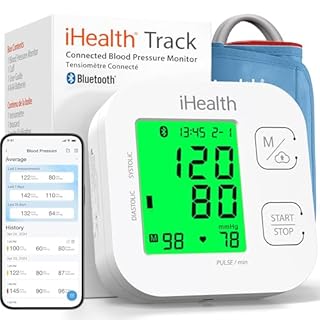
Clinically Accurate: Easy Operation by two buttons, Advanced Accuracy, No Calibration required.
View on Amazon3. Keep an Eye on Medication Access
Wandering or confusion can lead to taking wrong medications or overdosing. An indoor security camera with 360-degree view and motion alerts lets you check in remotely. The Wyze Cam Pan v3 is especially helpful for caregivers who live apart, ensuring your loved one is safe and not tampering with their meds.
Helpful product to consider (paid link)

【One-Touch Calls】aosu indoor camera has built-in high-quality two-way audio which you simply activate by a touch-to-talk button for live communication. Perfect for children or elder people who may need to get in touch with you quickly
View on Amazon4. Reach High or Dropped Items Safely
Bending to pick up a dropped pill bottle or reaching for medications on a high shelf can be risky for seniors with mobility issues. A lightweight grabber tool extends reach without straining. The Vive Reacher Grabber is also useful for retrieving items from cabinets or under furniture, reducing fall hazards.
Helpful product to consider (paid link)

EASY GRABBING: Reacher grabber to pick up items with easy, picks up coins, envelops, trash etc, easily pull the trigger, it starts work, reduces labor intensity, makes our work become easier.
View on Amazon5. Set Clear Medication Reminders
Forgetting medication times is common, but a large-display digital clock with customizable alarms can help. The DreamSky Large Digital Alarm Clock shows the day and date clearly, and you can program up to 20 reminders for different meds. It's perfect for seniors with vision or memory challenges.
Helpful product to consider (paid link)

【HD Display & Larg Font】The 𝗰𝗹𝗼𝗰𝗸 𝘄𝗶𝘁𝗵 𝗱𝗮𝘁𝗲 𝗮𝗻𝗱 𝘁𝗶𝗺𝗲 𝗳𝗼𝗿 𝗲𝗹𝗱𝗲𝗿𝗹𝘆 features a 7-inch 1024x600P HD LCD display that clearly displays the TIME, DATE, DAY of the WEEK, six time periods of the day[ MORNING, NOON, AFTERNOON, EVENING, NIGHT, MIDNIGHT, BEFORE DAWN ], and displays the ICONS of each time period in a bright Sun🌞 Moon🌙 visuals, ensuring that elderly individuals can easily understand the time & date.
View on Amazon6. Reinforce Reminders with Multiple Alarms
Sometimes one reminder isn't enough. A second large-display clock with multiple alarms ensures no dose is missed. Place the Sharp Digital Alarm Clock in a different room (e.g., kitchen) to provide backup reminders. The bold text and simple setup make it easy for seniors to use independently.
Helpful product to consider (paid link)
【HD Display & Larg Font】The 𝗰𝗹𝗼𝗰𝗸 𝘄𝗶𝘁𝗵 𝗱𝗮𝘁𝗲 𝗮𝗻𝗱 𝘁𝗶𝗺𝗲 𝗳𝗼𝗿 𝗲𝗹𝗱𝗲𝗿𝗹𝘆 features a 7-inch 1024x600P HD LCD display that clearly displays the TIME, DATE, DAY of the WEEK, six time periods of the day[ MORNING, NOON, AFTERNOON, EVENING, NIGHT, MIDNIGHT, BEFORE DAWN ], and displays the ICONS of each time period in a bright Sun🌞 Moon🌙 visuals, ensuring that elderly individuals can easily understand the time & date.
View on Amazon7. Improve Communication About Medications
Hearing loss can lead to missed instructions or confusion about dosages. A captioned telephone with a large touch screen displays spoken words as text, making phone calls with doctors or pharmacists clearer. The CapTel 840i reduces misunderstandings and helps your loved one stay informed.
Helpful product to consider (paid link)

Captions in Real Time: This captioned telephone for hearing impaired users allows you to listen and read large, real-time captions on an easy-to-read touchscreen so you don’t miss out on conversations. It turns everyday phone calls into clear, confident conversations with loved ones
View on Amazon8. Engage with Audio-Based Medication Aids
For seniors who prefer audio reminders or have low vision, an audiobook speaker that also plays Bible verses or pre-recorded medication prompts can be comforting. The Audible Audiobook Player combines entertainment with functionality, offering a gentle way to reinforce medication schedules through audio cues.
Helpful product to consider (paid link)

Preloaded NKJV & NIV Audio Bible: Includes New King James Version and New International Version for Bible reading, scripture study, devotional use, and Audio Bible listening right out of the box
View on AmazonFrequently Asked Questions
How do automatic pill dispensers prevent medication errors?
They pre-sort doses into compartments and lock between doses, preventing double-dosing. Alarms and lights remind the user when to take medication, and some models alert caregivers if a dose is missed.
What features should I look for in a medication reminder clock?
Look for a large, easy-to-read display with day and date, multiple programmable alarms, and simple setup. Some clocks also offer different alarm tones or visual cues for those with hearing impairments.
Can a blood pressure monitor help with medication management?
Yes, regular monitoring helps track how well medication is controlling blood pressure. Many monitors store readings and share data with healthcare providers, enabling timely adjustments to treatment.
How can a captioned telephone aid a senior with hearing loss?
It displays spoken words as text on a screen during calls, making it easier to understand medication instructions or appointments. This reduces miscommunication and helps seniors stay engaged in their healthcare.